Soil Biology
Understanding Soil Biology for Small PlotsAn overview of the microbial communities that drive nutrient cycling in Canadian garden soils, and the conditions that support or undermine them.
A reference covering soil biology, compost preparation, cover crop schedules, and no-till land management for small plots, market gardens, and acreages from British Columbia to Nova Scotia.
Soil Biology
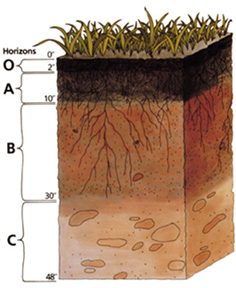
A teaspoon of healthy Canadian topsoil holds between one and two billion individual bacteria, along with thousands of fungal species, nematodes, and protozoa. These organisms form interconnected networks that cycle nutrients, stabilise soil aggregates, and regulate moisture retention.
When organic matter inputs fall below a critical threshold — roughly 3.5% by weight in loam soils — microbial communities shift toward bacterial-dominated states that are less efficient at forming the stable humic compounds plants depend on.
Read the full article
Properly aerated compost tea — brewed for 24 to 36 hours at 20–22 °C — can multiply bacterial populations by a factor of 400 or more. Applied to bed surfaces before planting, it establishes microbial populations that compete effectively against common soil-borne pathogens.
Preparation guide →Reference material on soil management, composting, and no-till practices written for Canadian growing conditions.
Soil Biology
Understanding Soil Biology for Small PlotsAn overview of the microbial communities that drive nutrient cycling in Canadian garden soils, and the conditions that support or undermine them.

Composting
Compost Tea Preparation: A Step-by-Step GuideHow to brew aerated compost tea using Canadian materials, and how application timing affects microbial establishment in garden beds.

No-Till & Cover Crops
No-Till & Cover Cropping Schedules for Canadian AcreagesZone-by-zone seeding windows, species selection criteria, and termination timing for cover crop systems in Canada's varied growing regions.
1–2B
Bacterial cells per teaspoon of healthy topsoil
3.5%
Minimum organic matter threshold for productive loam soils
36 hrs
Optimal aeration window for compost tea brewing
Tillage breaks mycorrhizal hyphal networks that can extend a single plant's root zone by up to 100 times. No-till systems allow these networks to persist season over season, transferring phosphorus and water to host plants in exchange for carbon.
Cover crop schedules →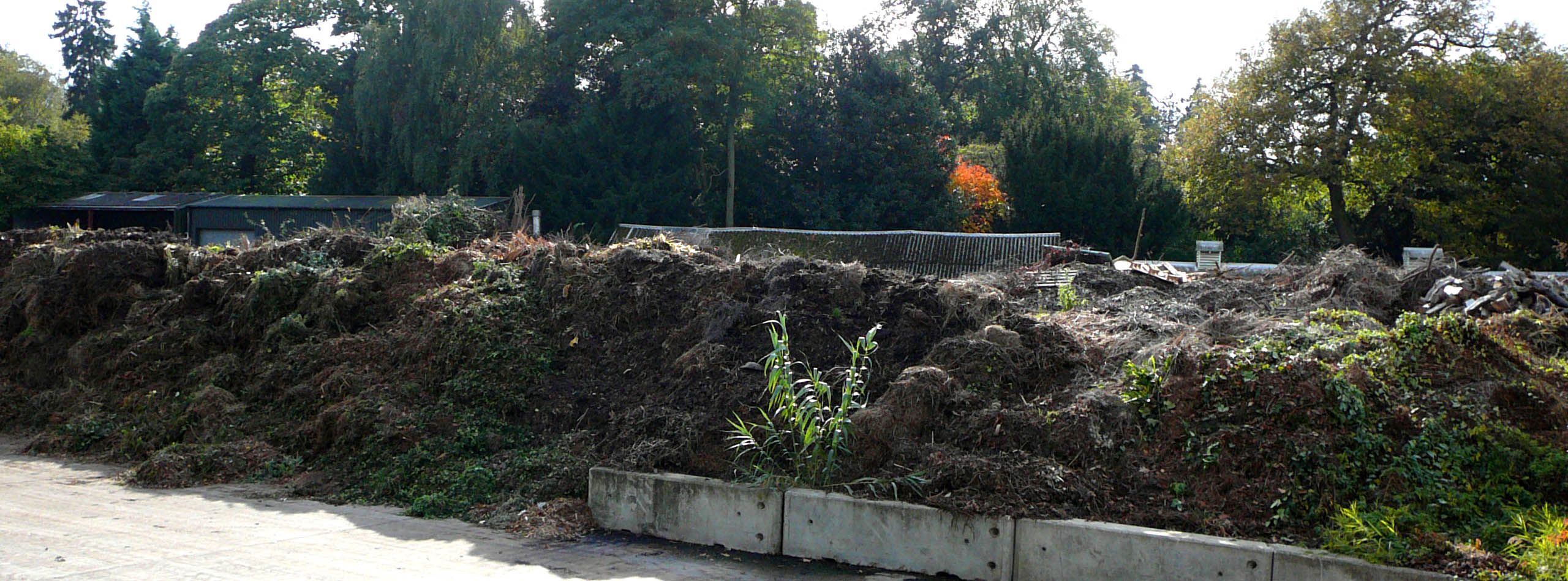
Hot Composting
Maintaining a pile at 55–65 °C for three consecutive turns breaks down weed seeds and pathogens while accelerating decomposition.

Residue Management
Leaving crop residue on the surface rather than incorporating it reduces soil disturbance and maintains moisture during dry Canadian summers.
Direct Seeding into Mulch
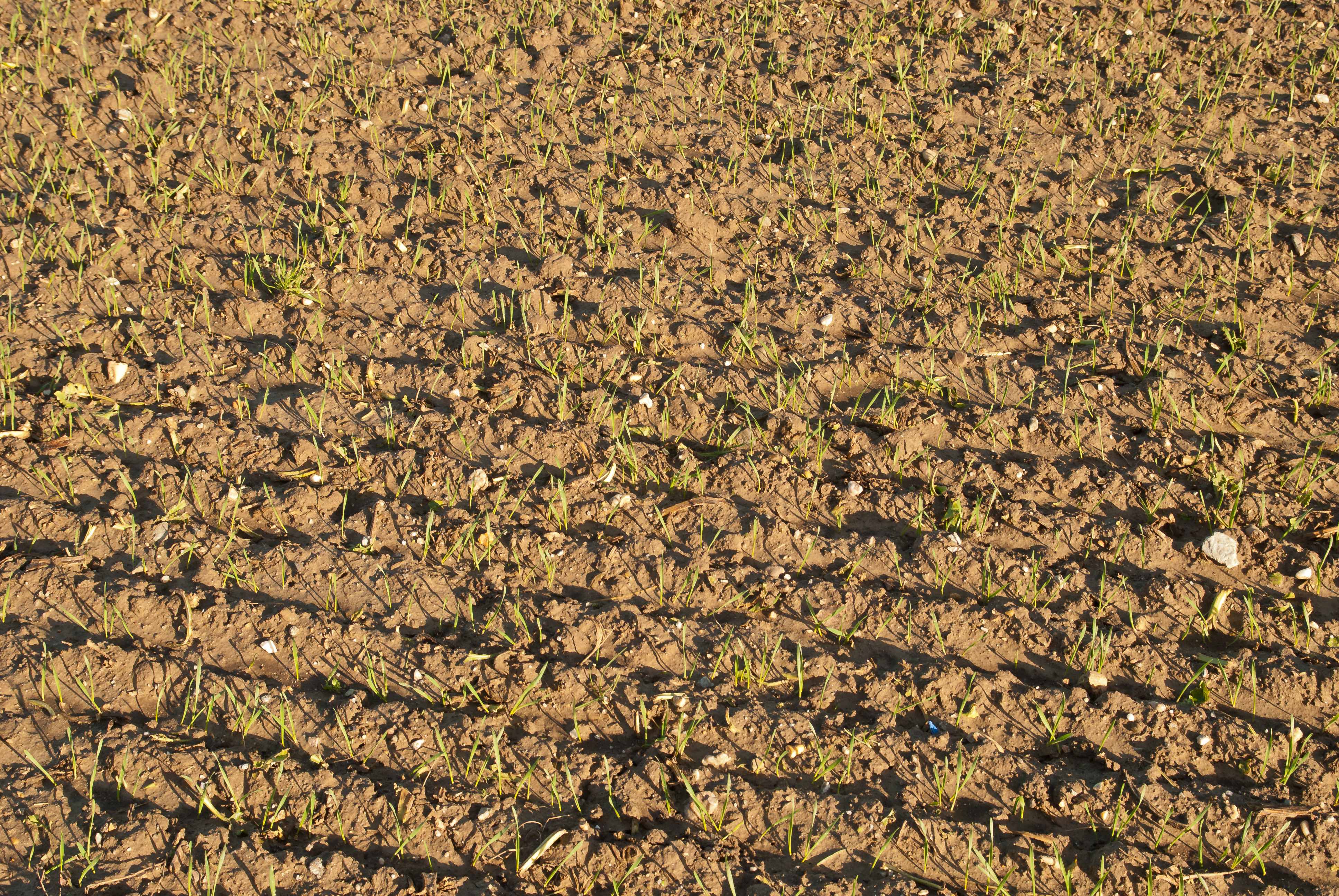
Seeding directly into a crimped cover crop mulch reduces erosion, suppresses annual weeds, and maintains soil temperature through spring frosts.
Questions about specific growing regions, soil amendments, or local composting resources across Canada? Send a message and we will respond within two business days.